Safety and size basics
Baby and kids clothing sizes explained: age, height and fit
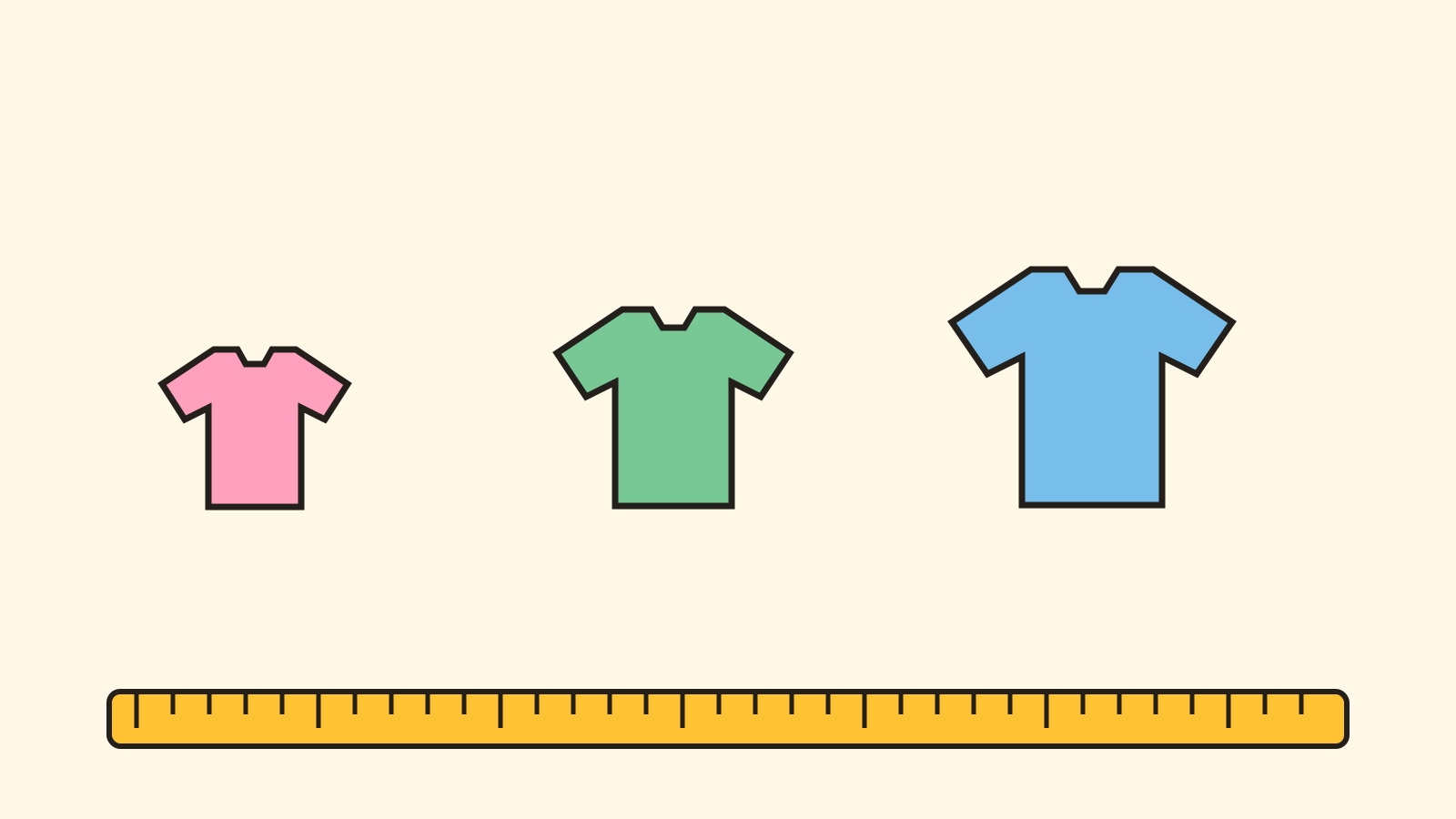
Baby and kids clothing sizes can be confusing. One brand's 6 to 12 months fits like another's 3 to 6 months, sizes jump differently between countries, and children never seem to grow at the speed the labels expect.
This guide explains how children's clothing sizes work, how to pick the right one, and what to look for when buying online.
Age based sizes
Most baby clothing is labeled by age range, such as newborn, 0 to 3 months, 3 to 6 months and 6 to 12 months. Older children's clothing often uses single years, such as 2 years, 3 years and so on, or ranges such as 4 to 5 years.
Age labels are a rough guide only. Babies and children of the same age can differ a lot in length and weight. A tall six month old may already need 6 to 12 month clothes, while a smaller baby may still fit 3 to 6 months.
Height and weight are more reliable
Many brands list the height and weight each size is designed for. These are much more reliable than age. To use them:
- Measure your child's height, lying down for babies and standing against a wall for older children.
- Note their weight from a recent check or your own scale.
- Compare with the retailer's size chart, not just the age on the label.
If your child is between sizes, choose the larger one. Children grow quickly, and slightly big clothes are more comfortable than slightly small ones.
Sizing up for the season
It often makes sense to buy one size ahead, especially for coats, snowsuits and pajamas you want to last a whole season. Think about when the clothes will be worn. A summer outfit bought in winter needs to fit a child who will be several months older.
Fit differs by garment
Bodysuits need room in the body length, since babies grow taller quickly. Check the fastenings at the bottom, which make changing easier.
Sleepsuits should have room in the feet. Feet that are squashed can be uncomfortable.
Trousers and leggings with elastic waists are easier to fit across a range of sizes.
Coats need room for layers underneath.
Shoes for children should be measured carefully, since growing feet need proper room. Many parents measure every few months.
Fabrics and comfort
Babies and young children often have sensitive skin. Soft, breathable fabrics such as cotton are usually the most comfortable for everyday wear. Look for:
- Flat seams that do not rub.
- Printed labels instead of scratchy sewn in tags, or tags you can remove.
- Easy fastenings, such as poppers and envelope necklines that stretch over the head.
The material line on each Tumbletot product page shows what a piece is made of. If it says "Not confirmed", check the retailer listing.
Wash new clothes before the first wear, following the care label.
Safety details
Some details matter for safety, especially for babies:
- No long cords or drawstrings around the neck or hood on young children's clothing.
- Securely sewn buttons and decorations, since loose ones can be a choking hazard.
- Sleepwear that fits well, following any safety guidance on the label.
If anything comes loose, remove it or stop using the item.
Washing and shrinkage
Cotton can shrink slightly in the first hot wash, so washing children's clothes at lower temperatures helps them keep their size. Dry flat or on a line where possible, since tumble drying can shrink some fabrics further.
Buying online
Before you order clothing for a baby or child:
- Measure height and note weight.
- Compare with the retailer's size chart.
- Check the fabric and care instructions.
- Look at fastenings and safety details.
- Read the returns policy in case the size is wrong.
Keep the tags on until you are sure the item fits, since many retailers only accept returns with tags attached.
Buying as a gift
If you are buying for someone else's baby, choose a size or two ahead. New parents usually receive many newborn outfits, and babies grow out of them within weeks. A 6 to 12 month outfit will be useful for longer. Our gifts for new parents guide has more ideas.
Sizes across countries
If you buy from retailers in different regions, sizes may be labeled differently. Some use months and years, some use height in centimeters, and some use letter or number codes. Height based sizes are the easiest to compare, since a child's height is the same everywhere. When in doubt, use the retailer's own chart and your child's measurements rather than a general conversion table.
How many to buy
Babies can go through several outfits a day, so it helps to have enough for a few days between washes. For newborns, many parents find six to eight bodysuits and sleepsuits a comfortable number. As children get older, fewer changes are needed, but a few spare outfits are always useful for nursery or school.
Hand me downs and sharing
Children's clothes are often outgrown long before they wear out. Passing clothes between siblings, cousins and friends saves money and reduces waste. Choosing simple, durable pieces in neutral colors makes them easier to share.
You can browse Baby Clothing and Kids' Clothing, where each product page lists the type, age range and material first. With a quick measurement and a look at the size chart, you can choose clothes that fit now and leave room to grow.